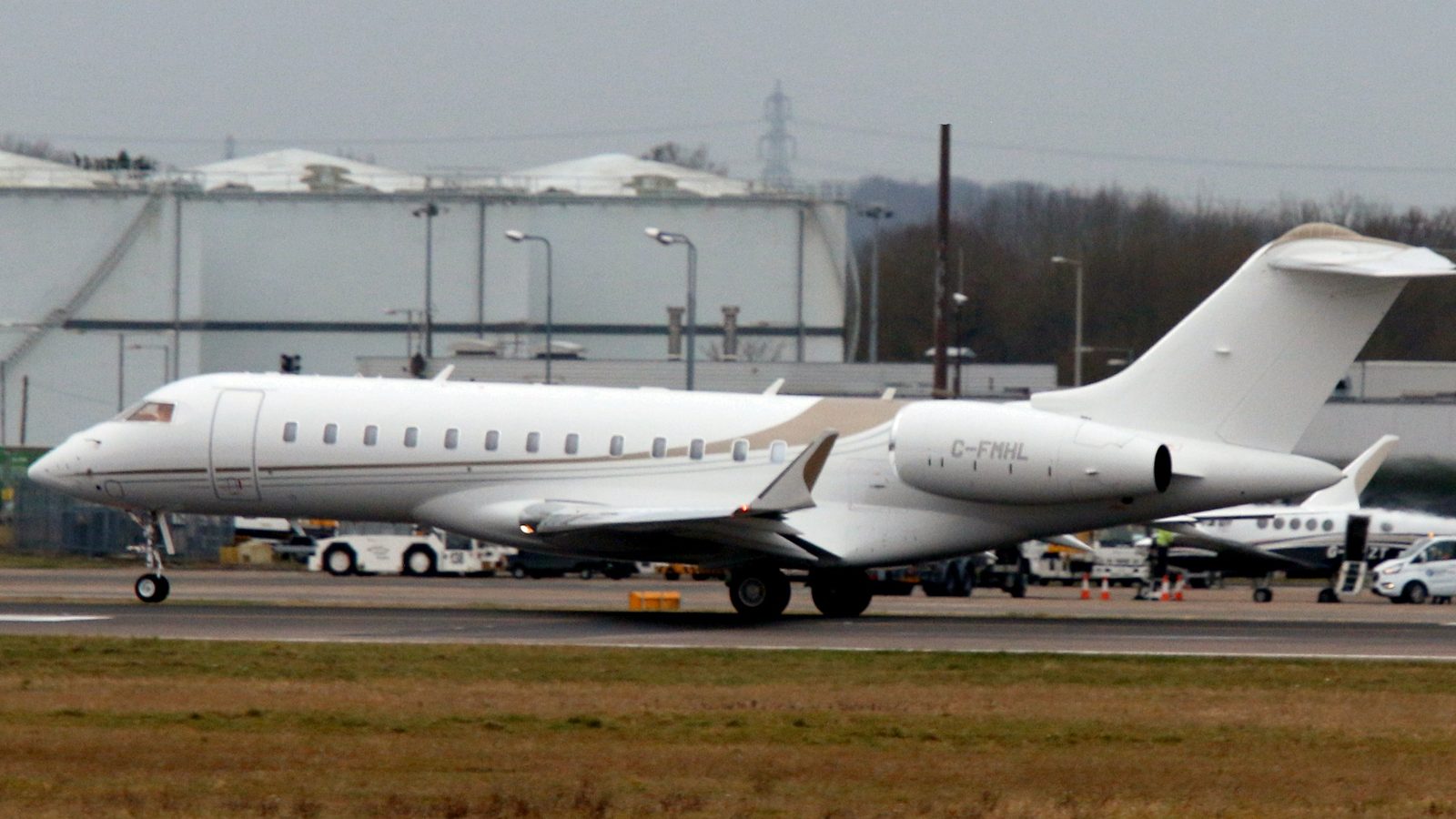
Prime Minister Mark Carney announced the Productivity Mega Deduction on 15 September 2026. He did it at the first Canada Investment Summit in Toronto. The Prime Minister's Office said a business could write off the full cost of a qualifying asset in the year it becomes available for use. Aircraft and vehicles are on the expanded list. So are fibre, software, patents, rail, bridges and roads.
Until now, aircraft cost in Canada was written off over several years under capital cost allowance. Budget 2025 had already brought a Productivity Super-Deduction for machinery, equipment and technology. The new package widens that idea. The PMO said covered assets rise from roughly 15% of the capital stock to more than 65%. Ottawa also said it wants immediate expensing to stay in place for good.
The Canadian Business Aviation Association treated the news as proposed policy, not finished law. In its 17 September bulletin, CBAA said businesses could deduct 100% of the cost of a wider set of new investments, now including aircraft. Most depreciable property bought on or after 15 September 2026 would qualify, it said. CBAA added that the change matches years of work with ATAC and AIAC.
The Helicopter Association of Canada told members the same week that new aircraft could take an immediate 100% deduction once available for use. AIN reported on 18 September that new or used aircraft may both sit inside the rule, with the same start date.
McMillan LLP's tax note of 21 September sets the tests that matter in practice. The asset must be bought on or after 15 September 2026. It must also be available for use in the year of the claim. A signed order is not enough. A used airframe can qualify if neither the taxpayer nor a related person owned it before, and if the deal was not a tax-deferred rollover. Mixed personal use only supports the business-use share.
Capital cost allowance is still optional. Recapture can turn a large year-one claim into a delay, not a lasting saving. Many aircraft sit in special-purpose companies with little taxable income. Owners who want a 2026 claim need income in that company and an in-service date before year-end. McMillan is clear the measure is proposed law, not yet statute.
Canadian buyers looking at 2027 delivery slots now have a reason to pull work forward, if the aircraft can enter service in time. Lessors and lenders will want proof of purchase, proof it is in use, and a clear map of which company holds both the aircraft and the taxable income. Cross-border deals still close. Only the Canadian claimant lives under these CCA rules.
The PMO said the marginal effective tax rate on new business investment would fall from roughly 13% to 6.4% under the wider package. That figure is for the whole economy, not for aircraft alone. It still tells finance desks where Ottawa wants capital to go.
Goodall Aviation is watching Canadian lessors and operators who may bring placements forward while the tax timing is sorted. Where a Canadian registration and a year-end in-service date suddenly matter more than the next demo tour, we expect more short-notice ACMI and wet-lease talks into late 2026. The contact page is the place to start.
Sources: pm.gc.ca, ainonline.com, multibriefs.com, verticalmag.com, legal500.com